ILLUSTRATIVE RECORD
Genuine.
Prepared for Monsieur François-Paul Journe
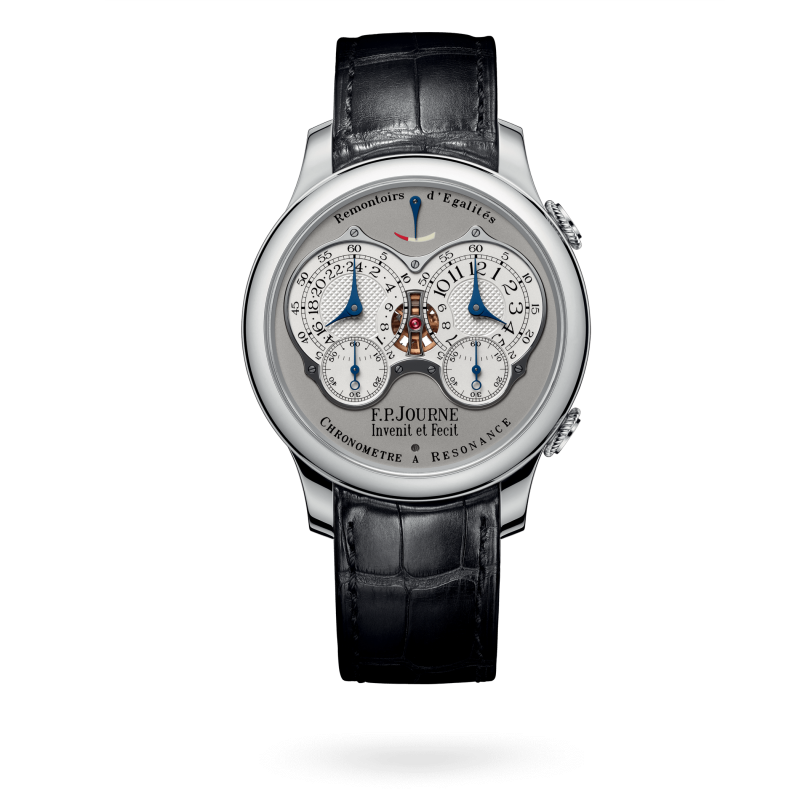
Ask the record about a watch:
Genuine.
Proven.
Invented and made. For more than twenty-five years, those three words have meant one man's hand behind every watch.
Today they need one more word.
A proposal, October 2026
Prepared for Monsieur François-Paul Journe
Monsieur Journe, in recent weeks you have had to warn your own collectors.
It should never have to.
$17,000
Around what an Élégante retails for.
$100,000+
What the Élégante now routinely fetches at auction.
80%
Of fakes now needing closer inspection to be caught, up from 20%, according to one leading pre-owned specialist.
The experts are struggling too. Even a flagship boutique has serviced a counterfeit without noticing.
When the eye is no longer enough, proof has to live somewhere the forger cannot reach.
N° 000-00A
Its serial, its case, its dial, its movement, the day it was finished. Once written, that record cannot be altered, copied or erased. Not by a forger. Not by anyone.
A copied serial number is exposed at once, because the number already belongs to one watch, and to one owner.
A dial that was never part of your production is exposed too, because the record knows exactly what left your workshop.
Case, dial, movement and finishing, exactly as the workshop made them.
Registered with the house, each time it changes hands.
Every owner, every service, every return through Patrimoine.
Any collector, anywhere, before they buy.
Provenance stops being a story pieced together from paper. It becomes a fact the house holds.
Registered with the house, and private to it. Never public.
You wrote it yourself: if a watch comes without papers, ask us.
TODAY
The question reaches a team, who search, compare and reply.
WITH THE RECORD
The answer is already there. This serial is genuine, this is its history, this is who holds it. Or: this number belongs to another watch.
The house answers every query immediately, and the answer is always the same, because it comes from the record.
Papers are lost. Boxes are separated. Both are faked.
The record is not. Ownership passes from collector to collector, registered with the house, so the next buyer knows exactly what they are buying, and from whom. The papers and the box simply open the record. The record is the proof.
A market built on six-figure prices rests on one thing: trust.
Every fake that can be exposed is one that can no longer dilute the name. Scarcity stays real. The collector's value stays safe.
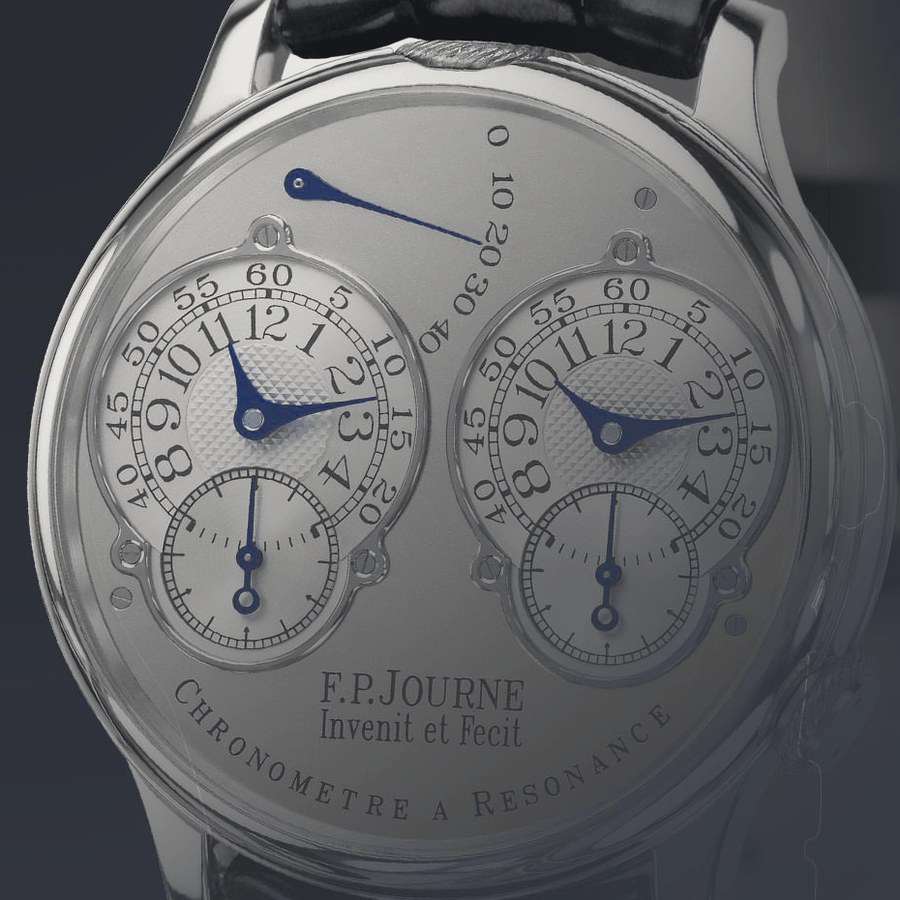
And the house stops spending its voice on warnings.
We would rather you knew the limits before the promises. So here are both.
Every watch the house has issued, by serial number, exactly as it left Geneva: case, dial, movement, the day it was finished.
Who holds each watch today, and every owner before them, in order. Every service, every return through Patrimoine. Every transfer from one collector to the next, the moment it happens.
In short, the full provenance of every watch, held by the house, in one place.
The certificate is issued with the watch, and it travels with the watch. When a collector sells, the certificate is transferred digitally from the seller to the buyer.
The house sees every transfer: who is passing the watch on, and to whom. The buyer receives the record in their own name, with its full history. Nothing changes hands quietly any more.
A genuine watch can always be transferred with its record, because its seller is the owner the house knows.
A fake cannot. It can copy a case, a dial, even a real serial number. It cannot copy the record, and it cannot produce a transfer from the registered owner. So if a watch is offered and no transfer reaches the house, or the serial already belongs to someone else, the house knows something is wrong, before the buyer has paid.
They become the cover of the book, not the book. Paper can be lost, stolen, separated from the watch, or forged. A record held by the house cannot be lost or stolen, and it cannot be forged.
The question "were the papers lost, or did someone take them?" simply disappears.
The owner tells the house, and the record is marked. The watch cannot be transferred to a new owner, and any enquiry about that serial is flagged to the house at once.
Only those the house allows. The record shows who holds a watch, never where it is, and it is never public. A buyer checking a watch sees only what they need: that it is genuine, and that the seller is its owner.
No. The record does not inspect a watch. Only your watchmakers can do that.
What it does is change the question. Instead of asking "is this watch real?", which needs an expert's eye, anyone can ask "does this watch come with its record, transferred from the owner the house knows?" That takes seconds. And when the answer is no, it is a signal to stop and ask the house.
No system can. What it does is make them far harder to sell as genuine. A fake can look perfect. It still arrives without a record, or with a serial the house already knows belongs to someone else.
Those watches carry paper, not a record, and the record does not reach back on its own. From the day it begins, every new watch is issued with its record, and a new watch offered without one is a warning sign.
Watches already in circulation join the record when the house sees them: at a service, through Patrimoine, or when a collector brings one in to be registered. Each one that joins is checked once by your watchmakers, and protected for good after that. It is also one more reason for collectors to bring their watches home to Geneva.
No. Nothing is added to the watch. The record can be opened from the papers or the box, wherever the house prefers. The making stays exactly as it is.
Time. Today every "please check this watch" reaches your team, who search and compare by hand. With the record, most answers are already there.
Authority. The house stops spending its voice on public warnings. The record speaks for it, quietly, every time.
Value. Collectors pay for certainty, and a complete record from the house is the strongest certainty there is. Patrimoine buys back with full knowledge of every chapter.
The name. Each fake that cannot pass as genuine is one less chance for the name to be diluted.
Very little. The record is written when a watch is finished, and the first owner is registered at the boutique. From then on, collectors do the transferring, and the house simply sees it happen.
Every question you have not seen here is one we would like to answer in conversation.